Boxes That Actually Hold

Shipping boxes seem simple. It is just a box, right? That is what most people think at first. Grab one, put the item in, tape it up, and send it out. Done. 

But if it were that simple, you would not see boxes arriving crushed, split open, or barely holding together at the seams.

So, what makes a shipping box actually hold up? It starts with size, and not in the way most people think. Bigger is not better. A box that is too large creates space, and space creates movement. When items move, they hit the sides over and over during transit. That is how damage builds. A box that fits closer to the product reduces that movement right away.

But going too small has its own problems. If the item is pressed tight against the walls, there is no room for any protection. No padding, no buffer. Even a strong box cannot absorb impact if there is nothing inside to help. So the goal is not tight or loose. It is just enough room to protect without letting things shift around.

Not all boxes are made the same. Some are designed for light items. Others are built to handle weight and stacking. If you use a light-duty box for a heavy product, it may look fine at first. But once it is stacked under other packages, pressure starts to build. That is when you see the sides bow in or the bottom give out.

A simple way is to match the box to the weight and shape of the item. Heavier items need thicker walls and stronger construction. Items with sharp edges or uneven shapes may need extra support so they do not press into the sides. It is less about guessing and more about paying attention to what the product needs.

Then there is how a box is made. The flaps, the seams, the folds. These are all points that can either hold strong or fail under stress. If the flaps do not meet cleanly, sealing becomes weaker. If the edges are worn or bent before use, the structure is already compromised. Starting with a solid box matters more than people realize.

Another thing to consider is stacking. Boxes rarely travel alone. They are placed on top of each other, sometimes in tall stacks. The bottom boxes carry the most weight. If they are not strong enough, they collapse slightly. 

That shift can affect everything above them too. Choosing boxes that can handle stacking pressure helps avoid that chain reaction.

There is also the role of moisture and environment.

Shipping is not always clean and dry. Boxes can sit in humid areas or face sudden temperature changes. Some materials hold up better than others in these conditions. 

A box that weakens when damp can lose its strength quickly. That is something to keep in mind depending on where your packages are going.

And then there is the final step. Sealing.

Even the best box will fail if it is not sealed properly. The top and bottom seams need to be secured so they stay closed through the entire trip. A weak seal can turn a strong box into a weak one.

In the end, shipping boxes are more than just containers. They are the first line of defense for what you are sending.

When you choose the right size, the right strength, and use them the right way, you stop a lot of problems before they ever start.

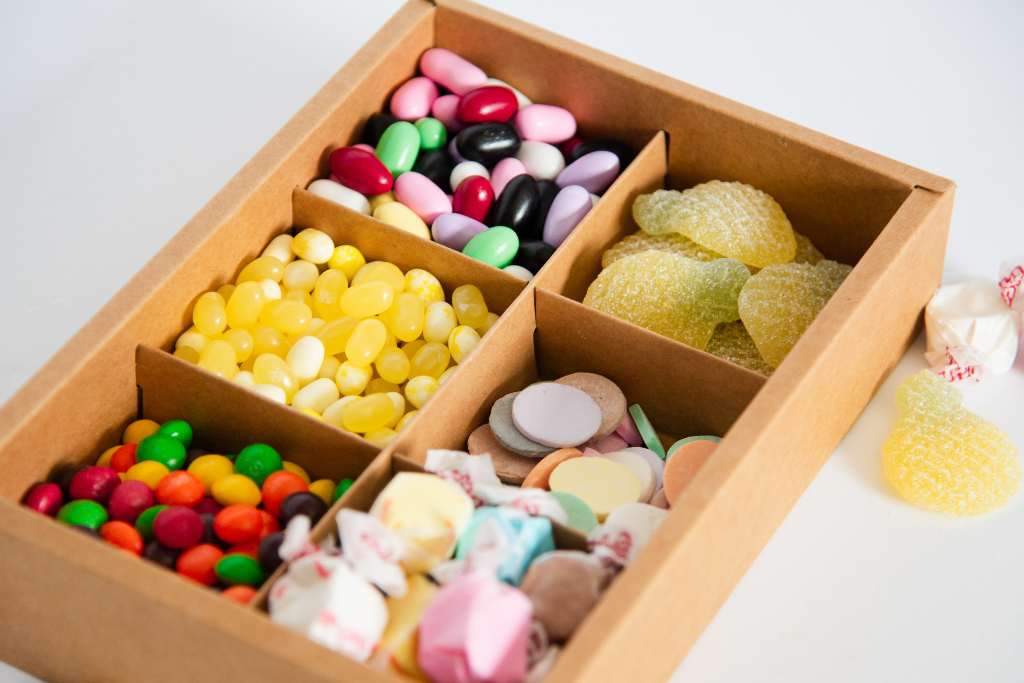
Your candy deserves better boxes

You spend time making your candy look perfect—smooth chocolate, bright colors, neat rows, maybe even a little ribbon on top. It’s the kind of presentation that makes people stop and stare for a second before they even take a bite. But then you drop all that hard work into a flimsy, dull, or ill-fitting box… and just like that, the magic starts to fade.

A bad candy box can make even the best sweets look ordinary. A thin lid that bends, a box that doesn’t quite close right, or a generic shape that doesn’t fit what’s inside—it all signals to the customer that something was rushed. And when people buy candy, especially premium candy, they’re not just buying sugar. They’re buying an experience.

Imagine someone ordering a beautiful selection of candies from you. They open their package to find a strong, perfectly fitted candy box. The lid opens with a clean lift, the contents are nestled securely, and the box itself feels sturdy and elegant in their hands. Before they’ve tasted a single piece, they already feel like they bought something special. That’s the power of good candy packaging—it tells the story before the first bite.

Cheap boxes tell a different story. They arrive dented. They don’t close right. The candy shifts around during shipping and shows up looking like it went for a joyride in the back of a delivery truck. Instead of delight, your customer feels disappointment. And that disappointment lingers—especially when candy is often bought as a gift.

The right candy box doesn’t just protect. It elevates. Sturdy walls keep chocolates and sweets from getting crushed. Thoughtful sizing holds everything snugly in place. A clean, professional look turns your product from “treat” into “occasion.” And when that box lands in someone’s hands, they instantly know they’re holding something worth savoring.

Think of it like gift wrapping that never has to be explained. When you send candy in a premium box, you’re not just shipping food—you’re delivering a moment. Whether it’s for a holiday, a birthday, a corporate event, or just a personal indulgence, packaging plays a starring role in how your brand is remembered.

It’s not just about aesthetics, either. A well-designed candy box saves you time and headaches. It packs efficiently, stacks neatly, and ships with fewer damages. You spend less time fixing problems and more time creating sweets people love.

And let’s not forget sustainability. Many candy businesses are switching to recyclable and responsibly sourced boxes that don’t sacrifice looks for eco-friendliness. Customers notice. They want beautiful packaging that doesn’t come with guilt. A sturdy, eco-conscious candy box shows you care about the planet as much as a presentation.

At the end of the day, candy boxes are more than containers—they’re storytellers. They either whisper, “This is something special,” or mumble, “We didn’t think this through.” And in a competitive world where presentation can make or break a sale, that whisper can be the difference between a one-time customer and a lifelong fan.

So give your candy what it deserves: boxes that work as hard as your sweets to create moments people remember.

A treat wrapped in magic

Candy is already sweet on its own, but anyone who has ever opened a box of chocolates knows the experience goes beyond taste. It’s about the moment, the presentation, and the feeling you get before the first bite. A candy box isn’t just packaging. It’s a small stage where delight is revealed one piece at a time.

Think about the last time you received a box of candy as a gift. Before you even lifted the lid, there was a sense of anticipation. The colors, the design, even the ribbon spoke before a single piece touched your tongue. A simple bar of chocolate could never create the same pause. But in a candy box, every detail adds to the memory. It’s proof that presentation matters as much as flavor.

Candy boxes are masters of protection too. Delicate truffles, coated caramels, or handmade fudge can melt, smear, or crush without the right support. A box keeps them safe, separated, and ready to enjoy. Imagine reaching in to find every piece perfect, just as it was when it left the maker’s hands. That care shows respect not only for the candy but for the person receiving it.

They also make sharing easier. Open a box in a living room or an office, and people naturally gather. Friends pick their favorites, conversations spark, and laughter flows. The box becomes more than a container—it becomes the center of connection. A candy bar is gone in minutes, but a box invites people to linger, to choose slowly, and to savor the moment together.

The joy of candy boxes isn’t limited to special occasions. They brighten holidays, birthdays, and even ordinary days when someone needs a small lift. Parents surprise children with a colorful box after school, coworkers leave one in the breakroom, couples exchange them as tokens of thoughtfulness. Each time, the box becomes a gesture that says, “You matter enough for me to make this sweet.”

Beyond tradition, candy boxes have adapted in creative ways. Eco-friendly versions made from recycled materials let people enjoy sweets while supporting the planet. Custom boxes allow companies to brand their treats, while individuals design personalized gifts for weddings, anniversaries, or fundraisers. A candy box isn’t stuck in one form. It evolves to fit culture, style, and values while still delivering the same core joy.

And affordability keeps them within reach. Unlike expensive gifts that strain a budget, candy boxes can feel luxurious without costing a fortune. They fit into nearly any celebration, whether it’s a grand holiday or a simple “thank you.” The sweetness feels big, even if the price tag is small.

What makes candy boxes powerful isn’t just the candy inside. It’s the way they frame the experience. They add surprise, protect delicate creations, encourage sharing, and leave a memory that outlasts the last bite. They remind us that small moments of joy are worth dressing up and that even the simplest treat can become a treasure with the right presentation.

So the next time you’re looking for a way to make someone smile, remember this: a candy box isn’t just packaging. It’s a promise of happiness waiting under the lid.

Frustrated by Wrong Box Sizes?

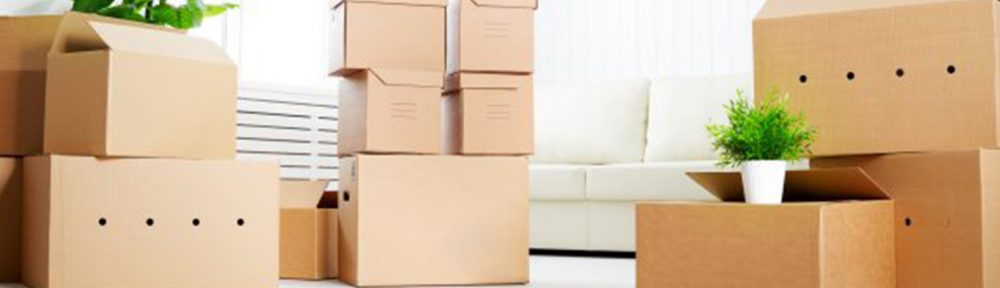
Have you ever stood in a room full of stuff, ready to pack, only to realize your boxes are all wrong? Maybe they’re too small for your books or so big your lamp slides around inside. It’s a real hassle—things get squished, or you’re taping up gaps like a puzzle you can’t solve. That sinking feeling hits when you know it’s going to cost time, money, or even broken treasures. I’ve been there, and it’s no fun. But don’t worry—let’s walk through how to pick the perfect cardboard box size for any job, so you can pack like a pro and feel in control.

First, let’s make it simple: measure your stuff. Grab a ruler or tape and check the longest side of what you’re packing. Say it’s a stack of dishes—maybe 12 inches across, 10 wide, and 8 high. Add a couple inches each way for padding, like bubble wrap or old blankets. Picture those plates tucked in snug, not rattling around. A box about 14 by 12 by 10 fits just right. Can you see it? No wobbles, just a neat stack ready to move. This trick stops the stress of items shifting and breaking, saving you from that “oh no” moment when you unpack.

Next, think about weight. If you’re loading heavy things like tools, you need a box with thicker walls. Feel the sides—sturdy ones don’t bend when you press. For lighter stuff like clothes, thinner walls work fine. Imagine carrying a box of books upstairs; a strong one holds tight, no splits, making your arms feel less like jelly. A good tip: single-wall boxes handle up to 20 pounds but go double-wall for heavier. This choice cuts down on worry about tears, and it’s kinder to your back too.

Shipping something? Check the rules. Most mail services have a size limit—108 inches total when you add length and girth. Picture a long box for a poster, maybe 24 inches by 4 by 4. It slides through the mail system easy, arriving without dents. Customers love getting packages that look fresh, and you save on shipping fees with a snug fit. That’s money back in your pocket, plus happy buyers who trust you more.

Don’t skip stacking. If you’re storing or moving, boxes pile up. Choose ones with matching depths so they sit steady, like building blocks. Imagine a neat tower in your garage—no tipping, no crashes. That stability is a game-changer for anyone moving a whole house or just clearing a closet. It turns chaos into order, giving you peace of mind.

For odd items, like a guitar, measure parts separately. A long box for the body, smaller for accessories. Picture it all fitting like a puzzle, safe and sound. And if you care about the planet, grab recycled cardboard—it’s just as tough but saves trees. You’ll feel that little glow of doing good while keeping your stuff secure.

Try a test pack: fill a box and shake it gently. If nothing moves, you’re set. This step paints a clear picture of success—no surprises later. Over time, you’ll pick sizes like second nature, turning a chore into a quick win.

Choosing the right cardboard box size isn’t just about packing—it’s about feeling smart and prepared. You’ll move or ship with confidence, knowing everything arrives safe. No more stress, just the satisfaction of a job done right. Try these steps next time, and you’ll wonder why it ever felt hard.

Shapeshifting Packaging for Multi-Use designs 

Designs that serve multiple purposes have become popular for many in the packaging world. This type of packaging is on the rise—and for a good reason. People want packaging ideas that will inspire creativity, and incite excitement upon opening. 

Here, we’ll go over some of the common examples of shapeshifting packaging, and how you can serve many different purposes with multi-use functionalities. 

Examples of these shapeshifters 

There’s a lot of different ways for you to make it possible to create this unique shapeshifting packaging. 

One example is a box that transforms into storage containers. Literally, three items are put together, and then left as a sort of storage item that’s really useful for people. 

Another example is flexible packaging. This is packaging that changes and adjusts based on what’s inside, rather than being a one-size fits all sort of approach for your items. 

There are also cartons that fold into small handles, which allow you to carry them with ease. 

All of this packaging may involve folds and tears where you can grab the item and then carry it around. It works great, with soi many different ways to make this work, you owe it to yourself to have shapeshifting packaging that works. 

Who Uses This 

Almost all subscription box packaging benefits from this. a lot of these are able to improve the experience that customers have. Every month, if you can change the packaging, you also give customers something exciting that they will enjoy.  The other area that commonly uses this is reusable shipping containers. If you plan to use these again and again, having containers that can be adjusted for needs, especially if you are trying to send out multiple items, will benefit you. 

Then other compact retail packaging. If you want to adapt the packaging for multiple uses, especially in small items, it works wonders.   Again, the sky’s the limit with different ways you can use this. 

The benefits 

With shape-shifting packaging, you reduce the material waste that’s there. instead of having to shell out tons of money for you to put out items, it actually saves a bit on the size of the packaging. 

It also enhances functionality and reusability. If you can give the packaging another reason to exist, people will use it again and again, rather than throwing it in the trash. Again, as before, it reduces your overall waste. 

Finally, it offers added value to your customers. Customers who want packaging that stands out, and really delivers will benefit from the shapeshifting packaging. A lot of times, customers will also clamor for their packaging need to be attended to, which happens with shapeshifting packaging. 

The future Trends of Shapeshifting Packaging 

Shapeshifting packaging has a bright future. Some of these include these material decisions. Smart materials are making a comeback, where they will respond to the temperature, or pressure to shift to different, more intriguing forms.   Smart materials work great, and when given the proper stimuli, they can adjust as needed, becoming something even more useful.

With shapeshifting packaging, the future use is focused upon.   You’ll be surprised at the notions that your packaging offers to others, especially when you put forth shapeshifting items that you can use. Do it today, and see for yourself just how different the packaging experience is.

Adaptive designs are the name of the game, and the way to stand out in this world. so, if you have that, you will make a difference in the lives of your customers. Doing this today will markedly change the pace, and give customers something more exciting too.