
Many people believe shipping starts with tape or labels, but the truth is it begins with the box. The shipping box becomes the protective shell that carries a product across towns, cities, and sometimes entire countries. A well-chosen box helps an item arrive safely, while a poor choice can lead to dents, scratches, or broken goods.
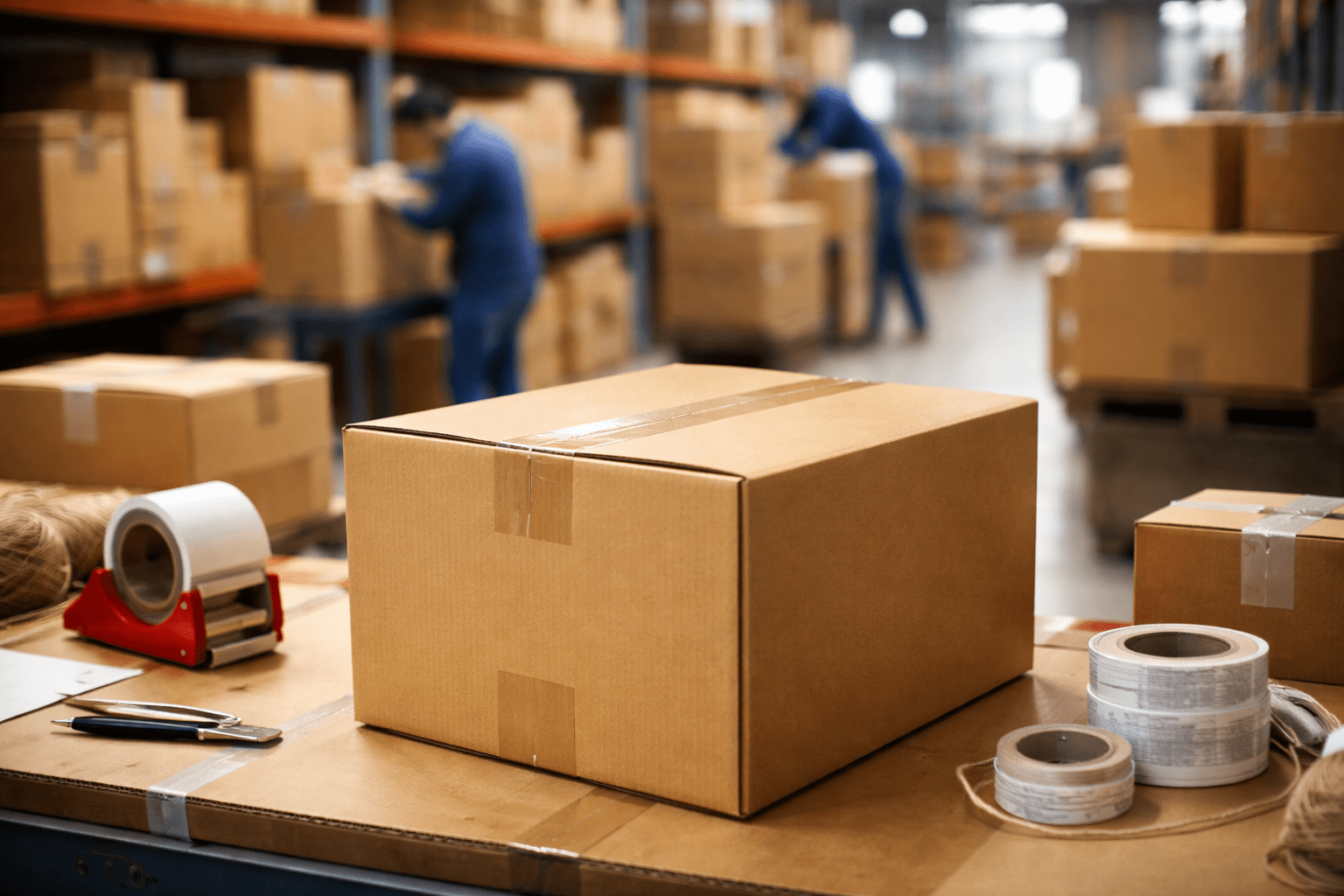
Businesses often ask a simple question when preparing orders. What kind of shipping box should be used? The answer depends on the item being shipped. Products vary in weight, shape, and fragility, so the box needs to match the item. A lightweight object might travel safely in a simple corrugated box, while heavier items need thicker walls that resist pressure and bending.
Corrugated shipping boxes are widely used because they are designed to handle the challenges of transit. The fluted layer between the outer sheets acts like a small shock absorber. When pressure is applied from outside the box, the fluted interior spreads that force across the surface instead of allowing it to crush the contents inside. This simple structure allows shipping boxes to remain lightweight while still offering strong protection.
Another common question is how the size of a shipping box affects the safety of a package. A box that is too large can allow items to shift during transit. Imagine placing a book inside a box that is big enough to hold several books. As the truck moves, the book slides back and forth. Each time it hits the side of the box, the risk of damage increases. A properly sized shipping box keeps the item steady so it remains supported during the journey.
Shipping boxes also help keep packing organized. When businesses stock a range of box sizes, workers can quickly choose the best option for each order. Instead of forcing products into boxes that do not fit well, the right size can be selected immediately. This small improvement helps packing move faster and keeps packages looking neat and professional.
Customers notice these details when a package arrives at their door. Opening a box that fits the product well creates a feeling of care and attention. The item sits securely inside rather than rattling around. This moment helps build trust between the customer and the business.
Shipping boxes also support cost efficiency. Carriers often calculate shipping costs partly by package size. When businesses use boxes that match the product more closely, they avoid paying for unnecessary space. Choosing the correct shipping box can help control expenses while still protecting the product.
Another advantage of modern shipping boxes is that many are designed to be recyclable. Corrugated cardboard can often be placed in standard recycling bins, making it easier for customers to dispose of packaging responsibly. Businesses that choose recyclable boxes show that they care about both their customers and the environment.

Shipping boxes may seem like a simple item, but they quietly play a large role in the shipping process. They carry the weight of the product, protect it from pressure, and keep it stable during the long journey to the customer’s home.
When businesses understand how to choose and use shipping boxes properly, they create a smoother shipping experience. Products arrive safely, packing becomes easier, and customers feel confident placing future orders. A strong shipping box does more than hold an item. It protects the promise that the product inside will arrive exactly as expected.